Water damage restoration
Water damage restoration in Missouri City, TX
Restoration is a sequence. Stop the water, take out what is standing, dry what is wet, clean what the water touched, then rebuild what could not be saved.
Say the street address first. Calling soon after a loss helps.
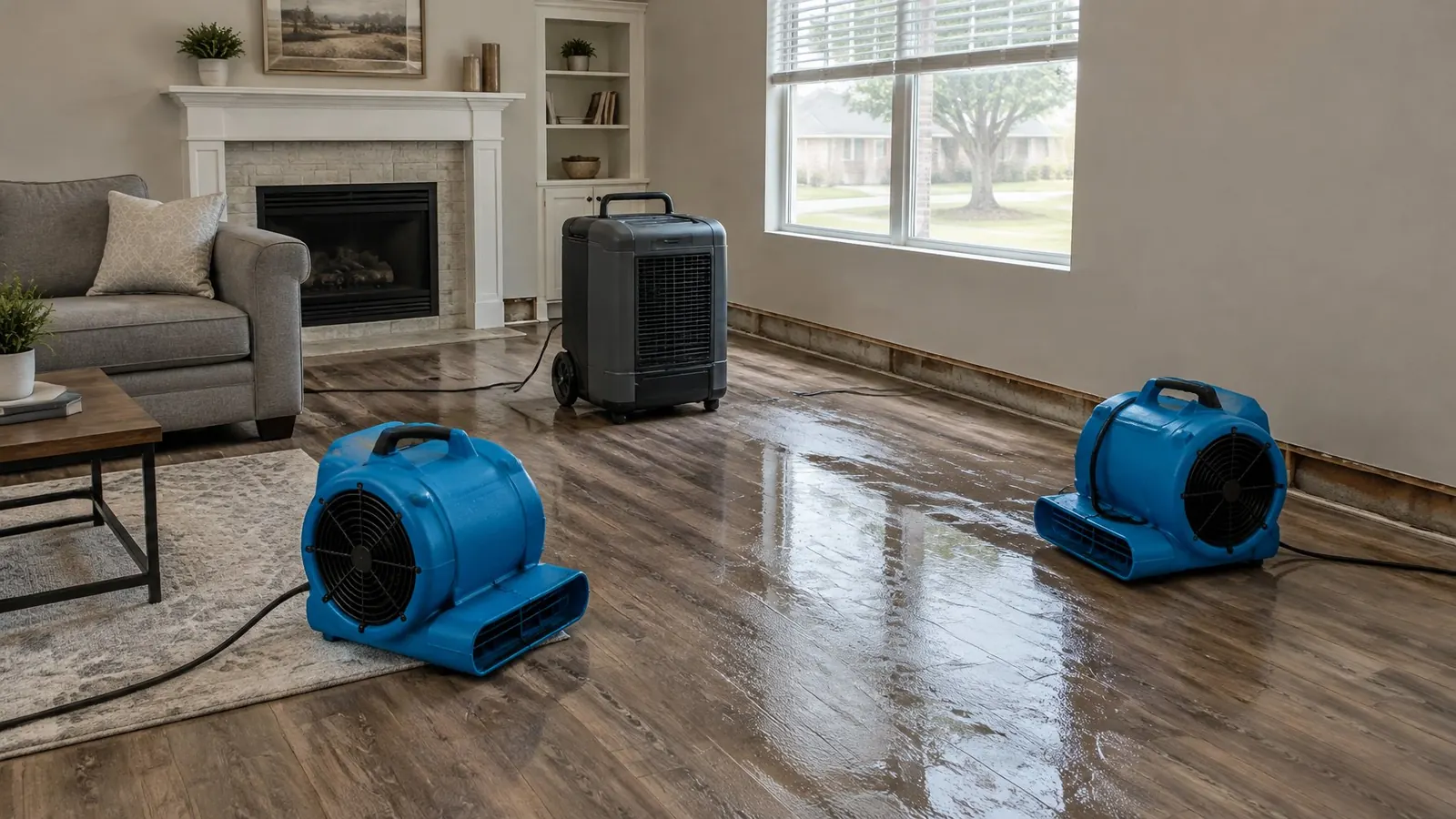
How a restoration job usually runs
Assessment
The contractor finds the source, maps the wet areas with a moisture meter and sorts the water by how clean it was.
Water removal
Standing water is pumped or vacuumed first. Pulling it out early limits how far it wicks into walls.
Drying
Air movers and dehumidifiers run until the readings in framing and drywall fall back to normal.
Cleaning
Surfaces, contents and air are cleaned. Anything porous that sat in dirty water is usually removed.
Repairs
Drywall, insulation, flooring and paint go back. Some firms do this, others hand it to a separate builder.
What decides how big the job is
Cost follows a few things: how much area got wet, how long it stayed wet, how dirty the water was, and what the surfaces are made of.
Hardwood and carpet pad react differently from tile. A wall wet at the bottom plate can often be dried. A ceiling that has already sagged usually has to come down.
A written scope lets you compare what each contractor plans to do rather than a single number on a page.
Water category in plain words
Restorers commonly sort water by cleanliness. Water from a supply line is the cleanest. Water from a washer or dishwasher is dirtier. Sewage and flood water are the worst.
The category changes what can be dried in place and what must be thrown out, which is why the cause matters when you call.
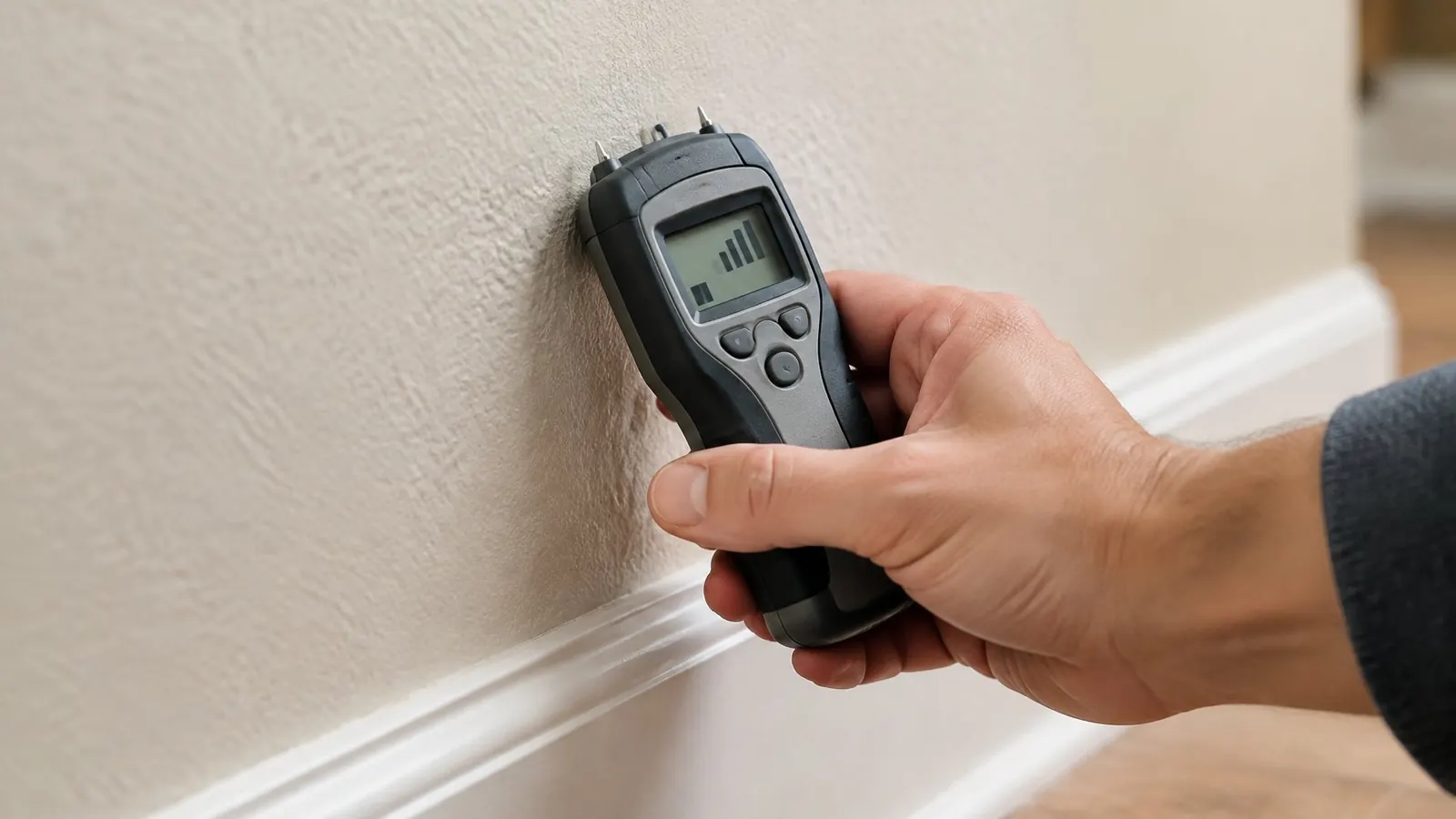
Before drying starts
Take photographs of the water and of every damaged item. The documentation guide lists what an adjuster tends to ask for.
Texas Department of Insurance advises only temporary repairs until the adjuster has seen the damage, and it advises keeping receipts. See its storm recovery tips.
Licensing in Texas
The state pages checked for this site list licenses for mold work and for plumbers, and none for general water drying. Mold is regulated by the Texas Department of Licensing and Regulation.
If the job touches plumbing, the plumber should hold a state license. Check the plumbing board lookup. The hiring guide has the full list.
Water is still moving. Call about it now.
Describe what happened, give the street address, and the call is routed to an independent restoration contractor.